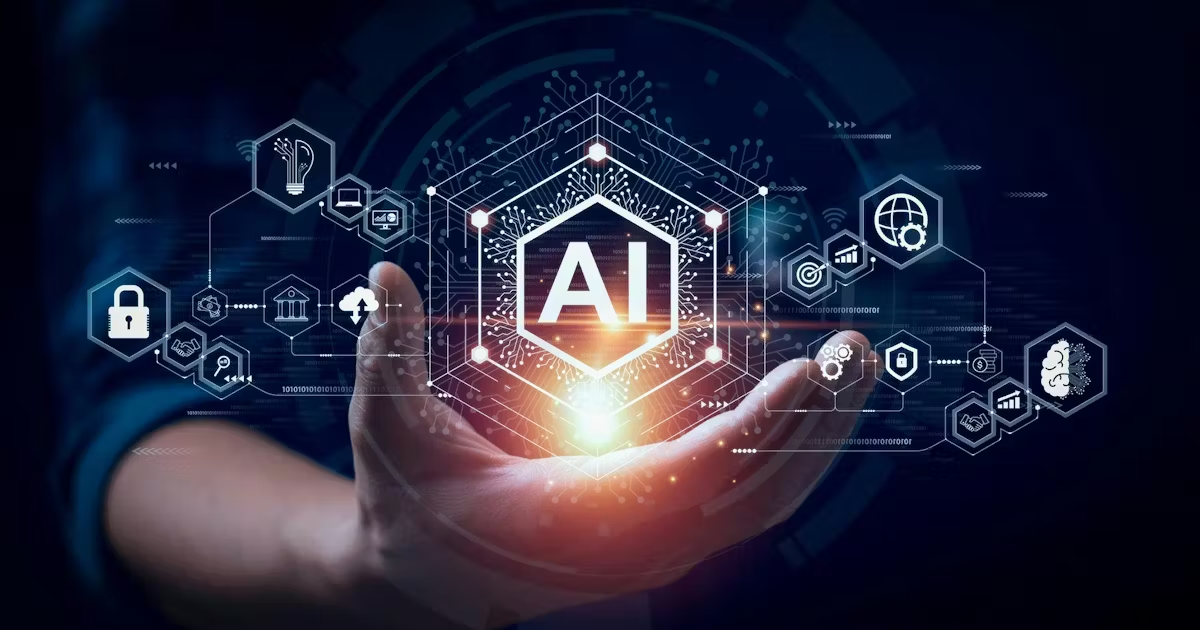
Artificial Intelligence (AI) is one of the most revolutionary technologies of our time. It refers to the ability of machines or computer systems to mimic human intelligence — to think, learn, make decisions, and solve problems.
What is AI?
AI is the simulation of human intelligence in machines. These machines are programmed to think like humans and perform tasks such as:
-
Learning from data (like how we learn from experience)
-
Recognizing patterns (like faces, voices, or images)
-
Making decisions (based on logic or past outcomes)
-
Understanding language (like chatbots and virtual assistants)
How Does AI Work?
AI systems use algorithms and data to function. The more data they have, the better they learn. Some popular types of AI include:
-
Machine Learning (ML): Machines learn from data without being explicitly programmed.
-
Deep Learning: A type of ML that mimics the human brain using artificial neural networks.
-
Natural Language Processing (NLP): Enables machines to understand and respond to human language (used in tools like ChatGPT).
Where is AI Used?
AI is everywhere around us today. Some common uses include:
-
Healthcare: Diagnosing diseases, robotic surgeries, and drug discovery
-
Education: Personalized learning, virtual tutors
-
Business: Chatbots, customer support, fraud detection
-
Daily Life: Voice assistants (like Siri, Alexa), recommendation systems (Netflix, YouTube), smart home devices
⚖️ Pros and Cons of AI
✅ Benefits:
-
Saves time and increases efficiency
-
Reduces human error
-
Works 24/7 without fatigue
-
Can handle large amounts of data quickly
❌ Challenges:
-
Job displacement (automation replacing human roles)
-
Data privacy concerns
-
Can be biased if trained on unfair data
-
Expensive to develop and maintain
The Future of AI
AI is still evolving. In the future, we can expect smarter robots, self-driving cars, advanced healthcare systems, and more. But with these advancements, it’s important to set ethical rules and human oversight to make sure AI benefits everyone.
Conclusion:
Artificial Intelligence is no longer science fiction — it’s a real and growing part of our lives. When used responsibly, AI can bring powerful changes to the world and improve the way we live, work, and connect.